
SEO for Dentists in Melbourne: Win Your Suburb, Not Just the CBD
Dental SEO for a city of villages, where the practice patients choose is the one their suburb already trusts.
- Planned council by council, village by village
- Melbourne case study: Royal Parade Dental Clinic, Reservoir
- Pages in the languages your dentists speak
- Copy written to AHPRA’s advertising rules
Reviewed by Dylan Modino, updated 6 November 2026
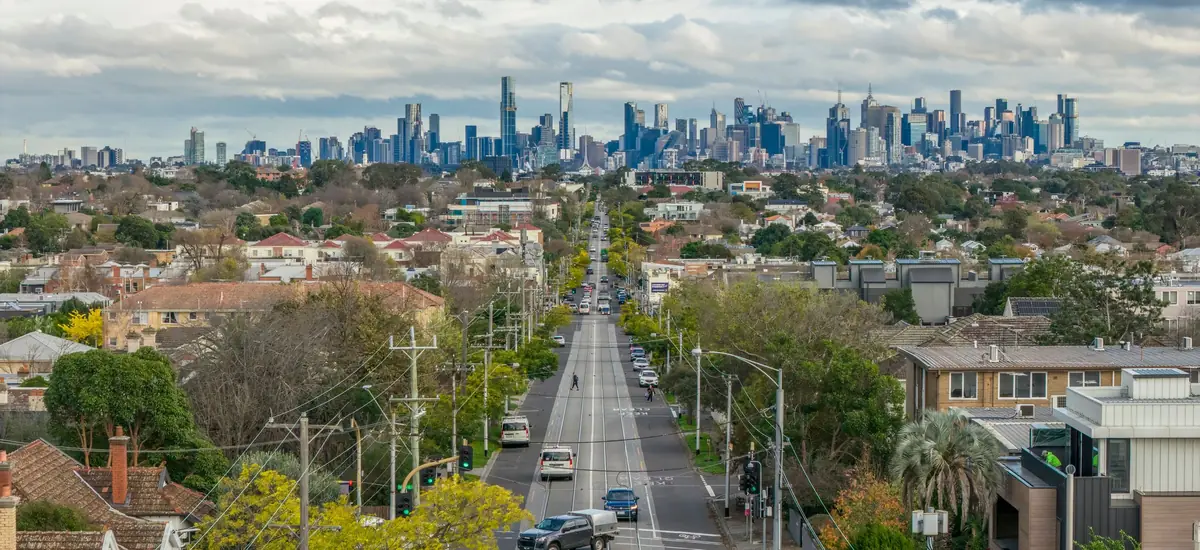
A city of villages, and what that means for dental search
Melbourne runs on villages. Patients identify with their suburb and its shopping strip, and their dental search behaviour follows: “dentist Brunswick”, “dentist near Glenferrie Road”, “emergency dentist Berwick”. A practice that dominates its village out-earns one that ranks thirtieth city-wide, which is why we treat every Melbourne campaign as a local campaign first.
The competitive map is uneven in ways that matter. The inner east and Stonnington are dense with established cosmetic practices. Box Hill and Glen Waverley carry heavy multilingual search, and practices that serve those communities well have a real advantage worth making visible. Meanwhile the western and south-eastern growth corridors, from Point Cook and Tarneit out to Clyde and Officer, are adding thousands of households a year who all need a dentist and have no loyalty yet to displace.
Strategy follows geography. For established suburbs we build depth: treatment pages, reviews and local signals that outweigh the incumbent. For growth corridors we build early: the practice that owns “dentist Tarneit” before the suburb finishes building keeps those families for a decade. Either way the work is anchored to your actual catchment, not a generic Melbourne campaign.
Melbourne's villages, mapped to their councils
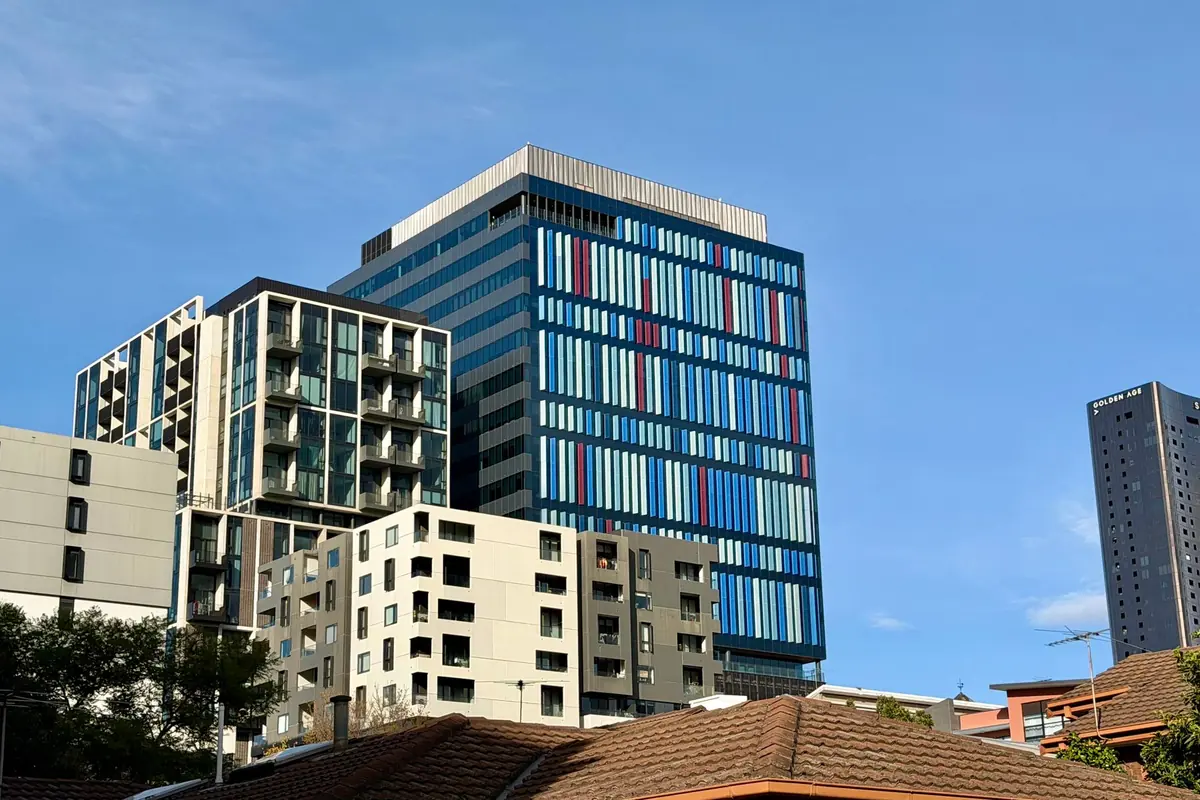
Every suburb named on this page sits in a council area with its own growth story, and that is what decides how hard it is to rank there. Brunswick and Stonnington are established and crowded, Box Hill and Glen Waverley are busy and multilingual, and Wyndham, Casey and Cardinia are still being built. Google's local results reward the practice nearest the searcher with the strongest signals, so we plan Melbourne campaigns at council level and win the suburbs inside them one at a time.
The council areas on this page
- Merri-bek City Council (opens in a new tab)Brunswick and the inner north.
- City of Boroondara (opens in a new tab)Hawthorn and Kew, either side of Glenferrie Road.
- City of Stonnington (opens in a new tab)The inner east's established cosmetic market.
- City of Whitehorse (opens in a new tab)Box Hill and the suburbs around it in the east.
- City of Monash (opens in a new tab)Glen Waverley and the suburbs around it.
- Wyndham City (opens in a new tab)Point Cook and Tarneit in the western growth corridor.
- City of Casey (opens in a new tab)Berwick and Clyde in the south east.
- Cardinia Shire (opens in a new tab)Officer and the corridor's outer edge.
The rules that apply in Victoria
- Ahpra advertising hub (opens in a new tab)The rules every dental ad and web page has to meet, from testimonials to outcome claims.
- Dental Board of Australia (opens in a new tab)Registration, specialist titles and the codes the Board holds dentists to.
- Victorian Department of Health (opens in a new tab)The state health department, including public dental care.
- Health Complaints Commissioner (opens in a new tab)Where Victorian patients take complaints about health services.
Dental SEO for a city that searches by suburb
Melbourne patients search the way they live: by suburb and shopping strip. A campaign that treats the city as one market wastes most of its effort on people who would never cross town for a check-up, so every Melbourne campaign we run starts as a local one.
The on-page work reflects that. Treatment pages, headings and your Business Profile name the village you actually serve, and for practices in suburbs such as Box Hill, Glen Waverley or Springvale, they also show the languages your team speaks, which most competitors never mention.
Off the page, links and mentions come from your own strip and community: traders’ associations, local schools and sporting clubs, and local press. Competitor research is done suburb by suburb, because the practice you need to outrank in Brighton is not the one you face in Tarneit.
- Village-level keyword research
- Treatment and language pages
- Links from your own strip
- Competitors mapped by suburb
Dental SEO services in Melbourne, one village at a time
Established suburbs and growth corridors need different work, so each service is scoped to where your practice sits.
Map pack visibility in your village
In the inner east and bayside, the map pack is held by established practices with years of reviews. We build the listing accuracy, local signals and review routine needed to compete with them. More on local SEO for dentists.
Scope set by your suburb
A practice in a growth corridor such as Tarneit or Clyde needs to build early; a practice in Stonnington needs depth to displace an incumbent. We scope the work after the audit and put it in writing.
A website that speaks to your community
Patients should see your suburb, your parking and, where it applies, the languages your dentists speak before they reach the booking button. For multilingual catchments that detail is often what decides the call.
A profile your village can trust
Categories, services, hours and photos stay accurate, and review requests and replies follow AHPRA’s rules. Where your team speaks other languages, the profile says so. See Google Business Profile optimisation.
A Melbourne site with nothing in the way
We check that treatment and language pages are indexed, that old pages redirect properly and that the site stays fast on a phone, so the local work is not wasted on a site Google struggles to read. More on technical SEO.
Links from your strip and community
The links that move a Melbourne practice come from its own neighbourhood: traders’ associations, local clubs and schools, and community press. We earn those locally and never buy them.
How a Melbourne campaign takes shape
In Melbourne the audit decides one thing early: whether your suburb needs depth to overtake an established competitor, or early work to claim a growth corridor before anyone else does.
Read your village
We map the suburbs, council area and languages around your rooms, and who already holds the map pack there.
Build what that village needs
Treatment pages, a profile in your patients’ languages where it applies, and the technical fixes that let both rank.
Spread to the next village
Once your own suburb is held, we extend to the neighbouring ones your patients already travel from, judged on bookings.
When a Melbourne practice needs patients sooner
Some Melbourne practices need patients faster than organic work alone can deliver, particularly in new estates. We also run:
Google Ads for new and established suburbs
In a growth corridor, paid search reaches new residents from the week they move in. In an established suburb it covers the treatment searches your organic pages are still working toward. More on Google Ads for dentists.
Social media for your community
Social content keeps the practice part of village life: the team, the rooms and useful advice, including in the languages your patients speak, written to stay inside AHPRA’s advertising guidelines.
Results from Victorian practices
Our Victorian dental work includes Royal Parade Dental Clinic in Reservoir and Delacombe Family Dental in Ballarat.
Royal Parade Dental Clinic
171%
Increase in Google Ads conversions
59%
Reduction in cost per conversion
Read the case studyDelacombe Family Dental
48%
Increase in Google Ads conversion rate
14%
Reduction in cost per conversion
Read the case studyLumina Dental
686%
Increase in organic search clicks
Read the case studyQuay Dental
400%
Increase in top 3 position keywords
66%
Increase in leads generated
Read the case studyResults differ from practice to practice, and nobody can guarantee rankings.
Melbourne practices, village by village
In Melbourne the suburb shapes the plan as much as the number of chairs.
Solo practices
A one-chair Melbourne practice grows by being the obvious choice in its village: the map pack around the rooms, a profile that reflects the community, and the treatments the dentist most wants to do.
Multi-chair clinics
Our best fit. Extra chairs give you room for the families Melbourne’s growth corridors add every year, most of whom have not chosen a dentist yet. The job is making sure they find you first.
Multi-location groups
Groups spread across Melbourne often serve very different suburbs. Each site gets a profile, a page and a catchment, so an inner-east location and an outer-west location are each marketed to their own patients.
What sets a Melbourne budget
Two Melbourne practices a few suburbs apart can need very different budgets, so the number comes after the audit, in writing.
Established suburb or growth corridor
Overtaking established cosmetic practices in Stonnington or the inner east takes more work than claiming a corridor such as Clyde or Officer while competition is thin.
How many suburbs and treatments
Each extra village and each high-value treatment brings new pages, a fresh set of competitors and more monthly work.
Languages and communities served
Serving multilingual demand properly means pages and profile content in more than one language. It adds work, and it is often where the best return sits.
The gap you want to close
Filling a new practice in a new estate is a different brief to adding a chair in an established suburb. We price the job you actually need done.
What our dental clients say about us
The team have been providing amazing services for Quay Dental. They are very knowledgeable, friendly, and professional. They get the job done quickly and efficiently. We have been working together to achieve and improve SEO results for my business, and they are certainly hitting the targets. Thank you!
Great experience, highly recommend their services. Their communication, attention to detail, prompt responses to all our questions and queries was top level. Dylan is a true professional, wished we had found Uppercut earlier.
I highly recommend SEO for Dentists to anyone seeking top-notch marketing solutions. Their creativity and introduction to new technologies makes the difference for any businesses.
Frequently Asked Questions
What Melbourne practice owners usually want to know before they start.
Should my practice target “dentist Melbourne” or our suburb?
Your suburb, almost every time. “Dentist Melbourne” is dominated by CBD clinics and directories, and the people typing it are mostly nowhere near you. The searches that fill your book name your suburb or say “near me”, and both resolve locally. We only chase city-wide terms for practices whose model genuinely draws patients across town.
We serve a multilingual community. Does that change the SEO approach?
Significantly, and it is one of Melbourne’s biggest opportunities. Suburbs like Box Hill, Glen Waverley and Springvale carry substantial search in languages other than English, and most practices ignore it entirely. Serving that demand properly, on your website and your Google Business Profile, is a durable advantage AHPRA has no problem with.
Is it worth investing in SEO in a growth corridor like Tarneit, Clyde or Officer?
The economics are among the best in the country. Competition is thin, search volume grows with every new estate, and families who choose a dentist when they move in tend to stay. Ranking there now costs a fraction of what displacing an incumbent will cost in five years.
How long does dental SEO take in Melbourne?
Local visibility work, your Google Business Profile and location signals, often moves within four to eight weeks. Competitive suburb terms in the inner east or bayside typically take three to six months to shift meaningfully. We set the baseline in writing before we start so progress is measured, not asserted.
What does dental SEO cost in Melbourne?
Most Melbourne practices invest between $1,500 and $5,000 a month. A practice in a growth corridor with light competition sits at the lower end; displacing established cosmetic practices in Stonnington or the inner east requires the upper end. The audit will tell you honestly which situation you are in.

Not sure where to start? Let’s talk strategy.
We’ll review your current website, audit your local SEO, and show you exactly how to attract more dental patients, free, no obligation.